
A Quiet Revolution Beneath Our Feet
Modern agriculture faces a dual crisis: feeding a growing global population while reversing the environmental damage caused by decades of chemical-intensive farming. The heavy dependence on synthetic fertilizers has led to soil erosion, aquifer contamination, and a sharp decline in soil organic carbon—all of which worsen climate change. But a powerful solution is emerging from an unexpected source: forest waste. At the forefront of this innovation is the Nepal Bio-Science Research Laboratory (NBRL), which is pioneering the transformation of forest biomass into biofertilizers—turning wildfire hazards into agricultural solutions.
Understanding Biofertilizer Types: Carrier-Based, Carbon-Based, and Substrate-Based
Biofertilizers come in several formulations, each with distinct advantages for soil health and crop productivity. The Nepal market recognizes three primary technology types: carrier-enriched biofertilizers, liquid biofertilizers, and other formulations.
Forest waste can create local value chains—collection, processing, packaging, marketing, and farm application—turning rural communities into climate solution leaders..
Carrier-Based Biofertilizers
Carrier-based biofertilizers use inert materials like peat, clay, or charcoal as a delivery medium to protect and transport beneficial microorganisms to the soil. NBRL is actively conducting research in this space, working to develop effective carrier-based formulations that can enhance the survival and activity of beneficial microbes when applied to agricultural fields. These carriers provide a protective environment for microorganisms, ensuring they reach the root zone alive and ready to colonize.
Carbon-Based Biofertilizers
Carbon-Based BiofertilizersCarbon-based biofertilizers, also known as biochar-based fertilizers—combine the carbon sequestration power of biochar with beneficial microorganisms. Research from field trials in Nepal demonstrates that urine-enriched biochar significantly improved soil pH, organic carbon, and nutrient levels (N, P, and K) compared to untreated soils, leading to a 62% increase in maize yield.
When biochar is enriched with cow urine and blended with compost, field trials across 13 crop species in Nepal showed yield increases of 123% on average compared to traditional organic farming practices, outperforming mineral NPK fertilization by 103% at the same nutrient dose. This remarkable result is explained by biochar’s “nutrient carrier effect”—it acts as a sponge, slowly releasing nutrients, creating more balanced nutrient fluxes, and reducing nutrient losses.
Nepal has become the first country in the world to officially support and subsidize organic biochar-based fertilization, recognizing its potential for both climate action and agricultural sustainability.
Substrate-Based Formulations Substrate-based biofertilizers use organic materials like compost or farmyard manure as a base for microbial inoculation. Traditional practices like Jholmal—a homemade liquid biofertilizer and biopesticide—represent this approach, using locally available resources such as animal urine, dung, and plant parts to cultivate beneficial microbes.
NBRL: Pioneering Forest Biomass to Biofertilizer
Nepal Bio-Science Research Laboratory (NBRL) is an award-winning leader in research and development, specializing in biofertilizers, biopesticides, and insecticides based on organic bioactive compounds. Their mission is to advance sustainable, climate-smart agriculture in Nepal by utilizing native microorganisms to create biofertilizers while managing biodegradable waste and natural resources.
Research Focus Areas
NBRL’s research encompasses multiple biofertilizer approaches:
- Carrier-based biofertilizer development to improve microbial delivery and survival
- Carbon-based biofertilizers using forest biomass and biochar
- Native microorganism isolation and utilization for local soil conditions
- Waste-to-resource conversion turning forest fire hazards into agricultural solutions
The organization is dedicated to restoring soil health, reducing reliance on imported fertilizers, and preventing devastating forest fires in Nepal.
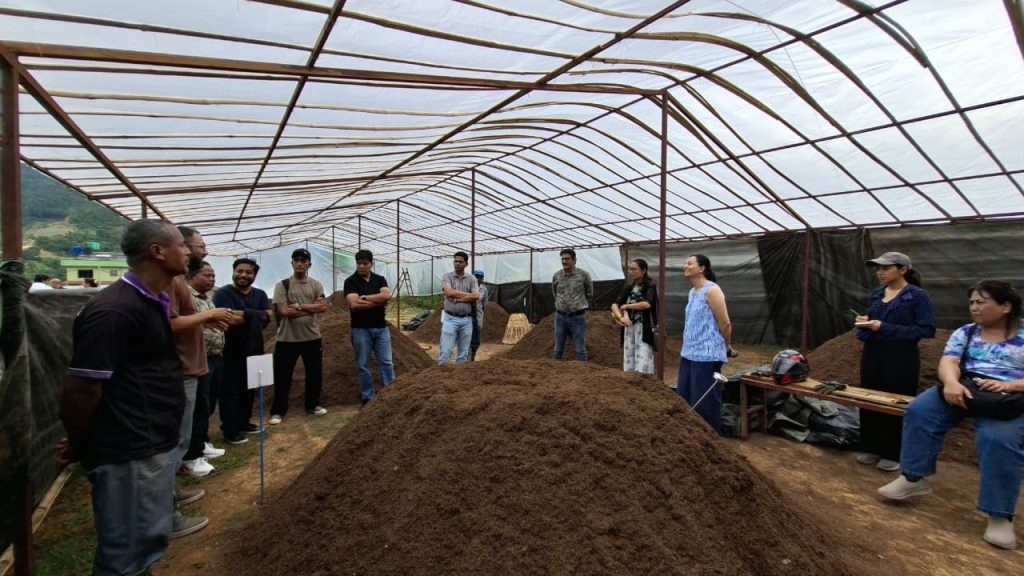
The Dumkibas Model: From Fire Hazard to Green Gold
In Dumkibas, Nawalparasi, Gandaki Province, NBRL has pioneered a model transforming a wildfire hotspot into a thriving biofertilizer production enterprise:
- 70% reduction in forest fire risk through systematic collection of forest litter
- Creation of green jobs for local communities, especially women
- Development of biofertilizers containing native agriculturally beneficial microbes
- Reduction in environmental loads through waste management
Where to Buy: Biomandu Organic
If you are looking to purchase quality biofertilizers for your farm or garden, Biomandu Organic is a trusted source for organic agricultural inputs in Nepal. They offer a range of bio-based products that align with sustainable farming practices. For more information on products and availability, contact Biomandu Organic directly.
The Path Forward
The science is clear: biofertilizers—whether carrier-based, carbon-based, or substrate-based—offer a triple win for agriculture, climate, and soil health. They reduce greenhouse gas emissions, restore degraded soils, and support resilient crop production.
With Nepal’s annual chemical fertilizer demand reaching 785,000 tons and no domestic production facility, the transition to locally produced biofertilizers represents a critical opportunity for food security and economic self-reliance. Government subsidies for organic fertilizer purchases (NPR 10 per kg or 50% of sales price) further support this transition.
NBRL’s pioneering work demonstrates that we don’t have to choose between healthy forests and sustainable farms—they can thrive together through the power of biofertilizer innovation.
For more information on NBRL’s research or biofertilizer availability, contact NBRL at info@nbrl.com.np or visit Biomandu Organic for product inquiries.