

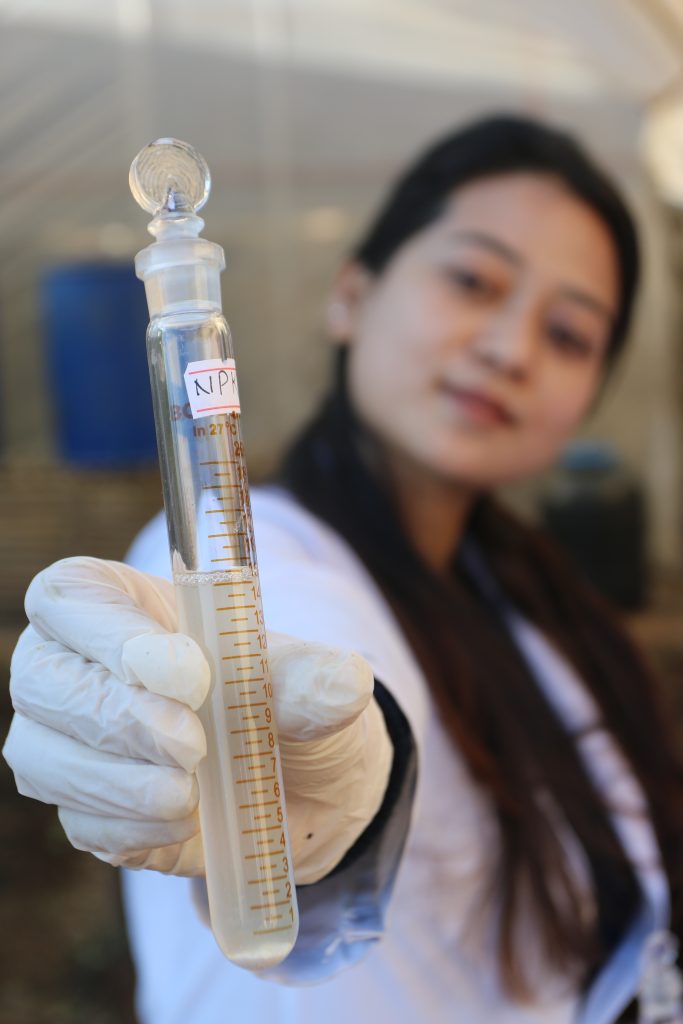
Agriculture is entering a new era. The challenge is no longer only to produce more food, but to produce food in a way that protects soil, reduces environmental damage, improves farmer resilience, and supports long-term food security. In this context, next-generation fertilizers are emerging as one of the most important innovations for sustainable agriculture.
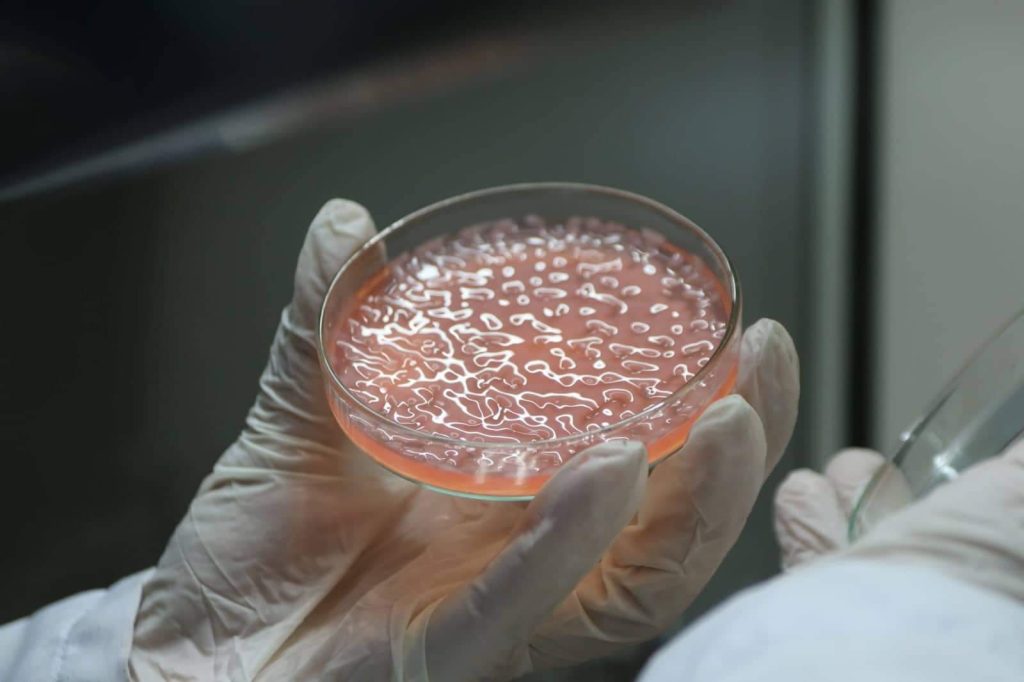
Traditional fertilizer systems have played a major role in increasing crop production. However, excessive and inefficient fertilizer use has also contributed to nutrient loss, soil degradation, water pollution, greenhouse gas emissions, and rising production costs. Farmers often apply nutrients, but only a portion is effectively used by crops. The rest may be lost through leaching, runoff, volatilization, or fixation in soil.
Next-generation fertilizers are not just about adding nutrients to crops; they are about rebuilding soil life, improving nutrient efficiency, and protecting the environment.
Next-generation fertilizers offer a smarter path forward. They are designed not just to feed crops, but to improve nutrient efficiency, restore soil health, reduce environmental losses, and support climate-resilient farming..
What Are Next-Generation Fertilizers?
Next-generation fertilizers are advanced fertilizer systems developed to deliver nutrients more efficiently and sustainably. They include biofertilizers, microbial fertilizers, biochar-based fertilizers, organic carbon-based fertilizers, slow-release fertilizers, controlled-release fertilizers, nano-fertilizers, compost-enriched fertilizers, and customized nutrient blends.
The core idea is simple: nutrients should be released in a targeted, gradual, and plant-responsive way so that crops receive what they need, when they need it. This approach improves nutrient-use efficiency and reduces waste.
Why They Matter for Soil Health
Soil is not just a growing medium. It is a living ecosystem filled with microorganisms, organic matter, minerals, air, water, and biological activity. When soil organic matter declines, the soil becomes weak, dry, compacted, and less productive.
Next-generation fertilizers help rebuild soil life. Biofertilizers introduce beneficial microorganisms that support nutrient cycling, nitrogen fixation, phosphorus solubilization, potassium mobilization, root growth, and plant resistance. Organic carbon-based fertilizers and biochar-based fertilizers improve soil structure, water retention, microbial habitat, and long-term carbon storage.
This means that next-generation fertilizers work with the soil system rather than forcing productivity through chemical input alone.
Biofertilizers: Living Fertilizers for Living Soil
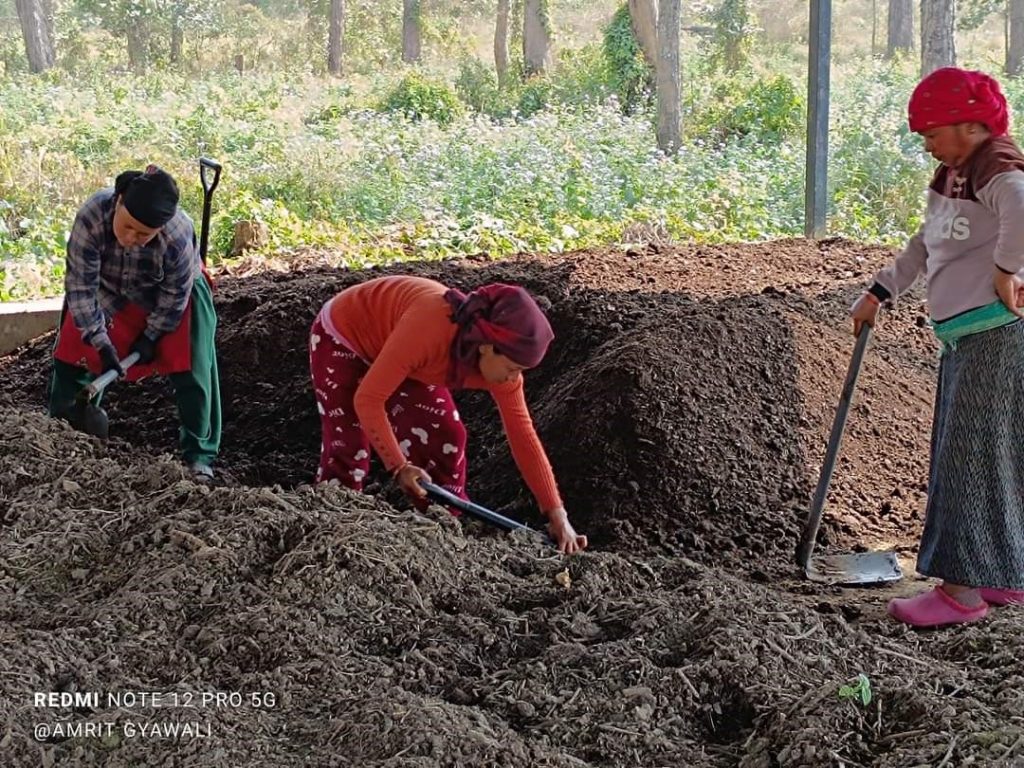
Biofertilizers are one of the most promising tools in sustainable agriculture. They contain beneficial microorganisms that help plants access nutrients naturally. These microorganisms can fix atmospheric nitrogen, solubilize unavailable phosphorus, mobilize potassium, and produce plant-growth-promoting substances.
Unlike conventional fertilizers, biofertilizers do not simply add nutrients. They activate natural soil processes. They improve the biological strength of soil and reduce dependency on imported chemical fertilizers.
For countries like Nepal, where fertilizer shortages and declining soil fertility are common challenges, microbial biofertilizers can become an important part of local agricultural resilience.
Biochar-Based Fertilizers: Carbon-Rich Support for Climate-Smart Farming
Biochar is a carbon-rich material produced from biomass through controlled heating. When applied to soil, it can improve water retention, nutrient holding capacity, aeration, microbial habitat, and soil carbon storage.
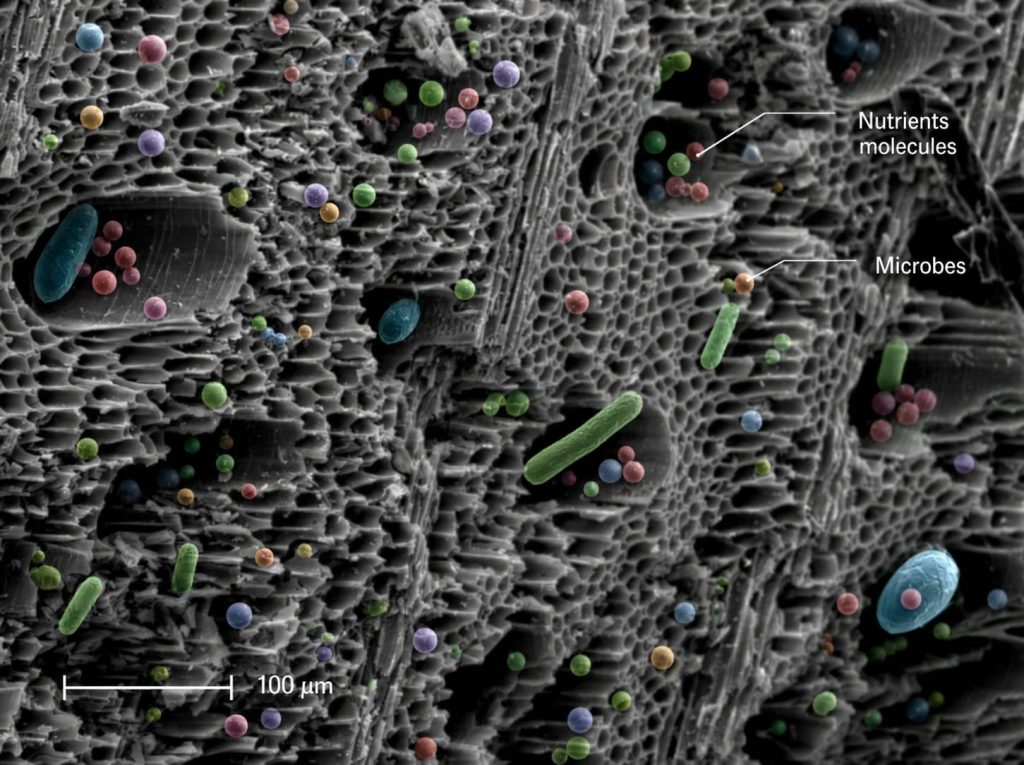
When biochar is enriched with compost, nutrients, or beneficial microbes, it becomes a powerful next-generation fertilizer. It acts as both a soil conditioner and a carrier for nutrients and microorganisms.
Biochar-based fertilizer is especially important because it connects agriculture with climate action. It can convert forest biomass, crop residues, and biodegradable waste into a useful soil input while helping stabilize carbon in soil.
Turning Waste into Fertility
One of the strongest advantages of next-generation fertilizers is their ability to convert waste into value. Forest biomass, pine needles, dry leaves, bark, branches, crop residues, animal manure, food waste, and other biodegradable materials can be transformed into compost, biochar, or carbon-based biofertilizer.
This supports a circular economy. Instead of burning or dumping organic waste, communities can process it into useful agricultural products. This reduces pollution, improves soil fertility, creates green jobs, and strengthens local fertilizer production.
In Nepal, forest biomass management can play a major role in this transformation. Dry forest litter that increases wildfire risk can be collected sustainably and converted into soil-restoring products. In this way, fire hazards can become green gold.
Role in Food Security
Food security depends on healthy soil. If soil continues to lose organic matter, microbial life, and nutrient balance, crop production will become more vulnerable to drought, pests, climate stress, and input shortages.
Next-generation fertilizers help protect the foundation of food production. They improve nutrient-use efficiency, reduce input losses, support long-term fertility, and make farming systems more resilient. They are especially useful for small farmers because they can reduce dependency on costly external inputs and improve local resource use.
Food security is not only about increasing yield today. It is about ensuring that land remains productive for future generations.
Benefits of Next-Generation Fertilizers
Next-generation fertilizers can provide multiple benefits:
They improve nutrient-use efficiency and reduce fertilizer waste.
They restore soil organic matter and microbial activity.
They reduce nutrient leaching and runoff.
They support climate-resilient agriculture.
They reduce dependency on imported chemical fertilizers.
They help convert organic waste into useful agricultural inputs.
They support carbon management and soil restoration.
They create opportunities for local green enterprises.
Relevance for Nepal
Nepal has strong potential to adopt next-generation fertilizer systems. The country has abundant biomass resources from forests, agriculture, livestock, and households. At the same time, Nepal faces declining soil fertility, fertilizer dependency, low soil organic carbon, and increasing climate vulnerability.
By promoting locally produced biofertilizers, compost, biochar-based fertilizers, and microbial soil amendments, Nepal can move toward a more self-reliant and climate-smart agricultural system.
This is not only a farming solution. It is a national opportunity for waste management, soil restoration, green employment, forest fire reduction, and sustainable food security.
Conclusion
Next-generation fertilizers represent the future of sustainable agriculture. They combine science, soil biology, carbon management, nutrient efficiency, and environmental responsibility.
The goal of fertilizer use must change from simply feeding crops to rebuilding the soil system that supports crops. Biofertilizers, biochar-based fertilizers, organic carbon fertilizers, nano-fertilizers, and controlled-release fertilizers can help farmers produce more with less environmental damage.
In the climate crisis, agriculture needs solutions that are practical, local, circular, and regenerative. Next-generation fertilizers provide that pathway.
The future of food security begins with healthy soil, and healthy soil begins with smarter fertilizer systems.
Reference:
This blog is conceptually supported by the book Next-Generation Fertilizers for Sustainable Agricultural Practices and Food Security, Wiley, 2026.